How Predictive Analytics for Gyms Improves Business Performance
The fitness industry runs on data now more than ever. Top gyms don't just collect numbers. They use those numbers to make smart choices. This is where predictive analytics for gyms comes in.
Predictive analytics looks at past data, trends, and member habits. It helps gym owners guess what will happen next. Instead of guessing in the dark, gyms can use real data to boost revenue, keep more members, and run smoother day to day.
Modern gym software makes this kind of analysis easy to use, even if you're not a data expert.
What Are Predictive Analytics?
Predictive analytics uses past data to guess what may happen next. It looks for patterns in how members act. It also looks at how the business is doing overall. This helps gym owners make better choices.
For example, predictive analytics can answer questions like:
- Which members will likely renew?
- What are the busiest times of day?
- Which classes are gaining popularity?
- When's the best time to run a promotion?
- Which services bring in the most money?
These answers help gyms plan ahead. Owners don't have to guess anymore. They can use real numbers to make smart calls. That often means more revenue, more members who stick around, and happier customers.
Understanding Member Behavior Through Data
One of the best things about predictive analytics is that it shows you how members actually use your gym.
A good gym management system tracks things like:
- Attendance
- Membership renewals
- Class bookings
- Personal training sessions
- Retail purchases
- Payment history
By looking at this data, owners can spot trends and make the member experience better.
Example: How Predictive Analytics for Gyms Predicts Membership Renewals
Picture a member who comes in often. They book a lot of classes. They respond to your promotions. Predictive analytics can spot this pattern. It will flag this member as likely to renew.
Now picture a different member. They used to come in a lot, but they've slowed down lately. Predictive analytics catches this too. It flags them as a member who might cancel soon.
The gym can act fast. It can send that at-risk member a special offer, a friendly check-in, or a small perk — all before they cancel. The result: more members stay, and the gym earns more.
Forecasting Peak Hours and Staffing Needs
Most gyms have busy stretches and slow stretches throughout the day.
With fitness business analytics, gyms can predict:
- Morning rush hours
- Evening peak times
- Weekend attendance patterns
- Seasonal traffic swings
Example: Peak Hour Prediction
Say the data shows attendance spikes between 6 PM and 8 PM on weekdays. With that insight, managers can:
- Add extra staff during those hours
- Open more training space
- Boost front-desk support
- Improve service when it's busiest
Better planning means a smoother visit for members and higher satisfaction overall.
Identifying Popular Classes
Group classes drive a lot of member engagement and revenue.
Predictive analytics helps spot:
- Classes with growing demand
- Classes that are losing steam
- Seasonal trends
- Which instructors draw the biggest crowds
Example: Class Demand Forecasting
Say HIIT class attendance has grown steadily over the past three months. The gym can add more HIIT sessions to keep up.
Or say yoga classes always sell out on weekends. Managers can schedule more yoga slots during that window.
This way, the gym puts its time and space where they pay off most.
Making Marketing Work Harder
Marketing works better when it's built on data instead of guesswork.
Predictive analytics helps gyms see:
- Which promotions actually bring in new members
- Which members respond to offers
- The best time to launch a campaign
- Which channels get the best results
Example: Targeted Offers
Say the data shows former members often come back after getting a discounted renewal offer. Instead of blasting every member with the same promo, the gym can target just the people most likely to rejoin.
This cuts marketing costs and gets better results at the same time.
Forecasting Revenue More Accurately
Revenue forecasting uses past data to estimate future income, including income from:
- Memberships
- Personal training packages
- Group classes
- Retail sales
- Wellness services
Accurate forecasting is one of the biggest wins predictive analytics offers. Owners no longer need to dig through spreadsheets. They can check real-time numbers in just a few clicks.
Example: Sales Forecasting
If personal training bookings always rise during New Year fitness pushes, the gym can prepare trainers, materials, and schedules ahead of time.
Accurate forecasts also help with budgeting and planning future investments.
Reducing Membership Cancellations
Keeping a current member is usually cheaper than finding a new one.
Predictive analytics can catch warning signs before someone quits. Common warning signs include:
- Less attendance
- Missed payments
- Fewer class bookings
- Ignoring gym emails or texts
When these signs show up, staff can step in. They can check in personally, offer a deal, or suggest a new fitness plan tailored to that member.
Even a small bump in retention adds up to real revenue over time.
How Gym Software Makes This Simple
Many owners think predictive analytics sounds complicated. In practice, modern gym software handles the hard part for you.
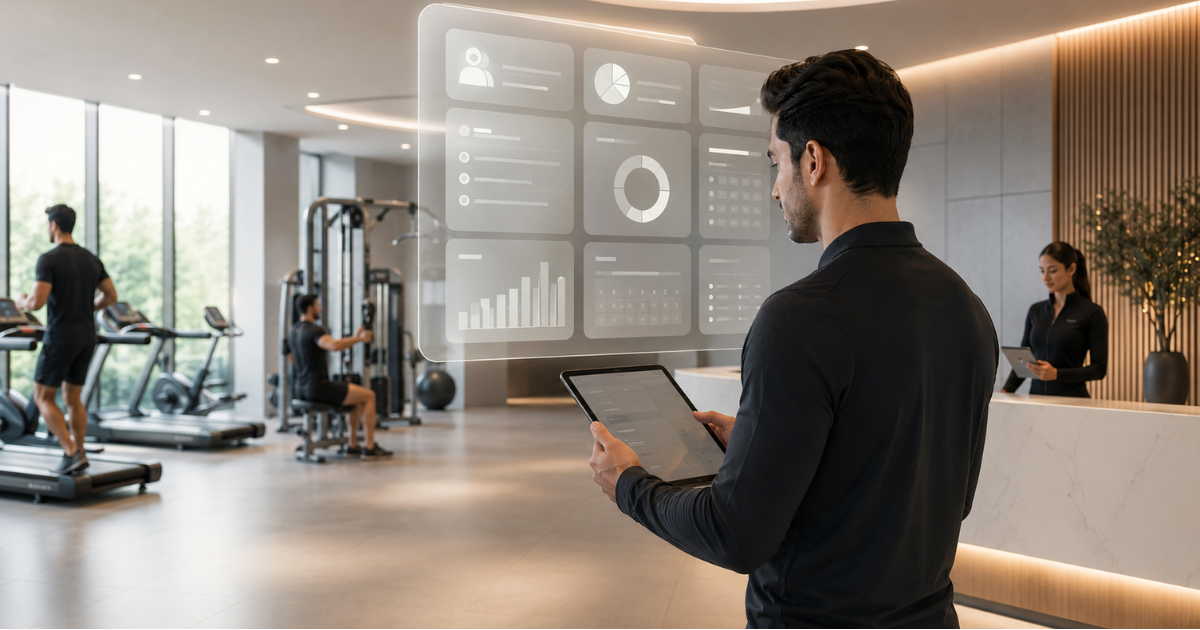
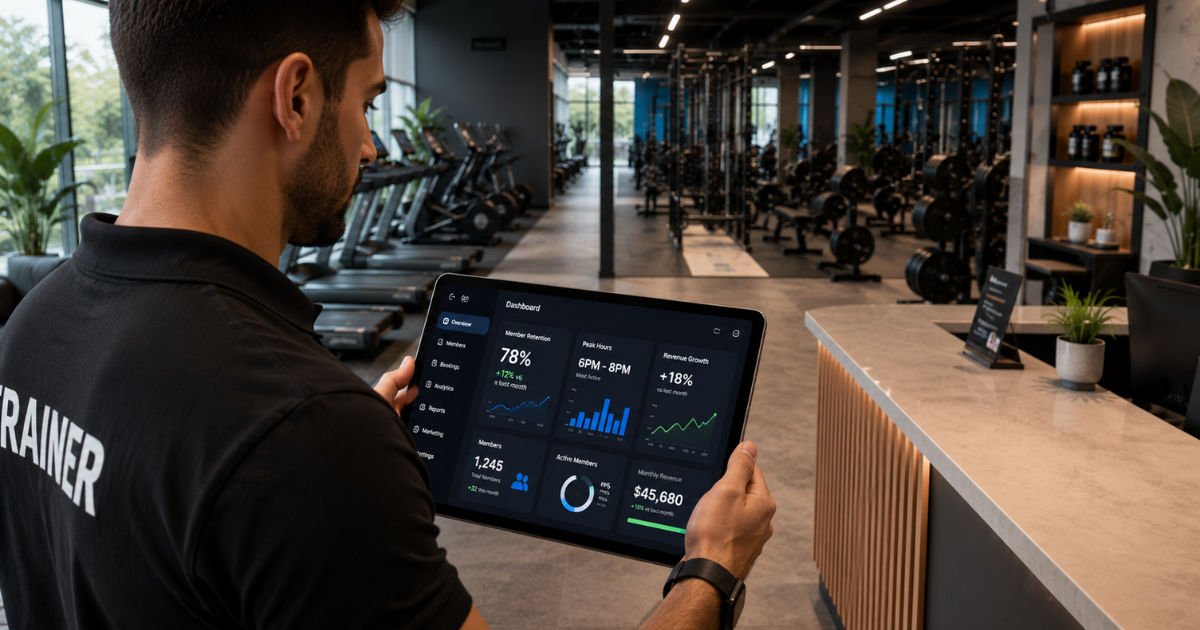
Platforms like Fitzpot collect your business data automatically. They organize it and turn it into clear reports and dashboards.
Common features include:
- Membership analytics
- Attendance tracking
- Revenue reports
- Class performance insights
- Marketing campaign tracking
- Member retention analysis
Owners don't need to dig through spreadsheets by hand. They get real-time insights in just a few clicks.
Key Benefits at a Glance
Better decisions. Data cuts down on guesswork and leads to better outcomes.
Higher retention. Gyms can spot at-risk members early and act before they cancel.
More revenue. Sharper forecasts and targeted marketing bring in more money.
Smarter planning. Predicting demand helps with staffing, schedules, and space use.
Stronger marketing. Campaigns feel more personal and convert better.
The Bottom Line
Predictive analytics is changing how gyms operate. It tracks member behavior, predicts sales, spots popular classes, and sharpens marketing. With this data, gyms can make better calls and grow faster.
Modern gym software, like Fitzpot, makes all of this easy to use — no matter the size of your gym. Owners don't have to guess anymore. They can rely on real data to keep members longer, earn more, and deliver a better experience.
As the fitness industry gets more competitive, predictive analytics is no longer a nice extra. It's becoming a must-have for gyms that want to stay ahead.