Beyond Membership Sales: How AI Revenue Intelligence Helps Fitness Businesses
Unlocking New Revenue Streams Through Gym Retail Sales
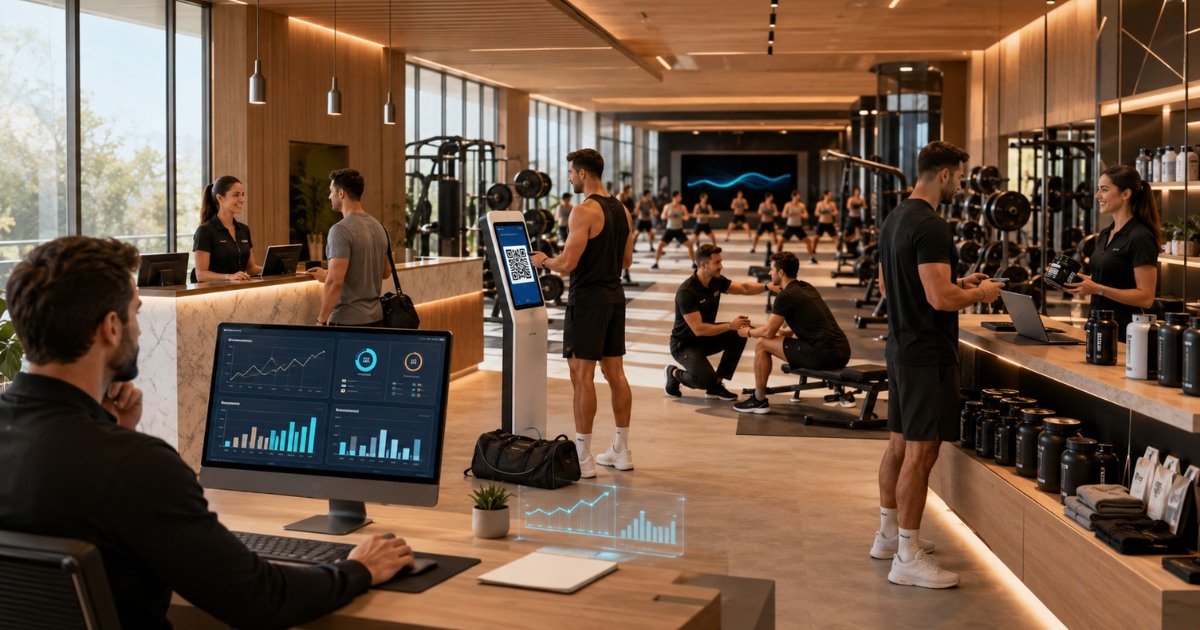
For many fitness businesses, growth has always meant getting more members. They spend more on marketing, run referral programs, and work hard to attract new customers. That’s why forward-thinking gyms are now exploring gym retail sales—from supplements and apparel to accessories—as a powerful way to diversify income streams and boost overall profitability.
Finding new members is becoming more expensive. At the same time, many gyms miss other ways to increase revenue. One of the best opportunities is retail sales. Selling supplements, fitness apparel, accessories, and other products can create an extra source of income.
That's why many forward-thinking gyms are investing in retail sales. It helps them earn more from existing members, create a better member experience, and grow their business without relying only on new memberships.
The best gyms and wellness centers now ask a different question:
"How do we get more value from the members and resources we already have?"
AI-powered Revenue Intelligence answers that question.
Platforms like Fitzpot don't just manage memberships and payments. They also study how the business is doing, spot missed opportunities, predict what's coming next, and suggest actions to boost profit.
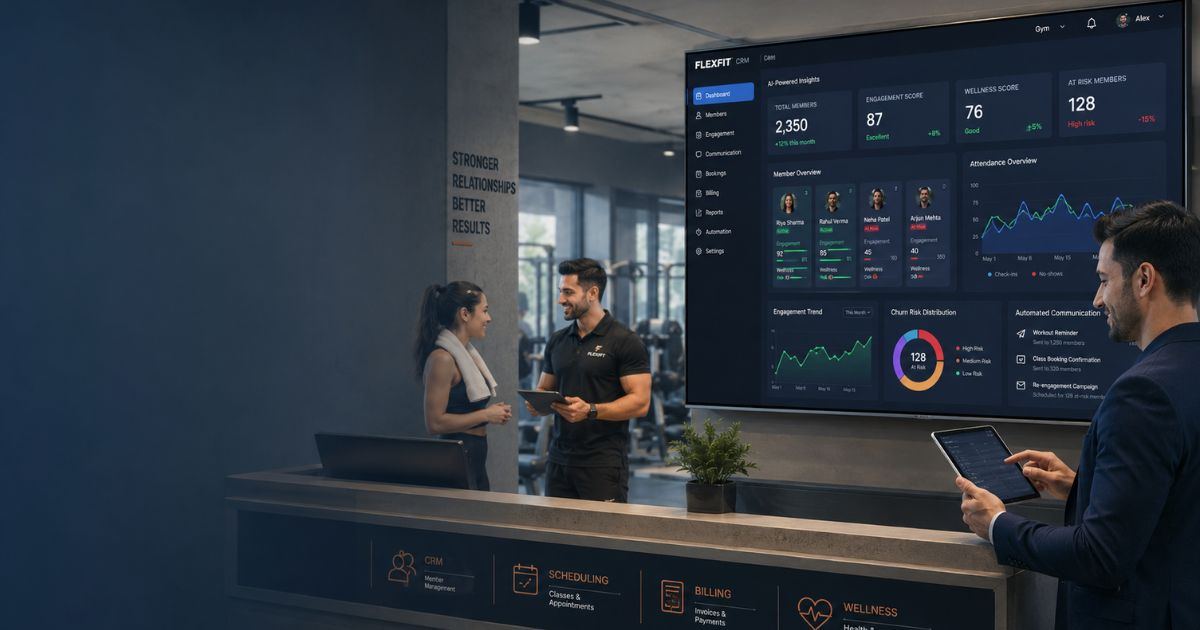
Fitzpot brings together Business Intelligence, Predictive Analytics, Membership Management, CRM, Scheduling, Marketing Automation, Billing, and Wellness Intelligence. All in one place. This helps gym owners make better decisions every day.
Revenue Growth Starts Before the Sale
Most owners think revenue growth means better marketing and sales. But really, every interaction with a member affects revenue.
A member who renews, upgrades to personal training, comes to class often, or refers a friend — that member is worth a lot over time. Someone who joins once and never returns is not.
The same is true in reverse. An empty class. A trainer with too few clients. A renewal reminder that never gets sent. These all quietly cost the business money, even though nothing was technically "lost."
Growing revenue means improving these small, everyday decisions. When every resource is used well, growth follows.
Turning Business Data Into Business Intelligence
Fitness businesses gather a lot of data every day:
- Bookings
- Payments
- Attendance
- Membership renewals
- Trainer schedules
- Marketing campaigns
- Customer feedback
The hard part isn't collecting this data. It's knowing what to do with it.
Old-style software just shows reports of what already happened. Fitzpot turns that same data into real insight. It helps owners see:
- What's happening right now
- What's likely to happen next
- Which actions will boost revenue the most
Instead of digging through spreadsheets, owners get clear, useful insights. This means faster, more confident decisions.
Spotting Revenue Opportunities Early
Many businesses don't notice they're losing money until it shows up in the financial reports. By then, it's often too late to fix easily.
AI can catch these problems much sooner. Fitzpot keeps track of things like:
- Memberships coming up for renewal
- Services that are losing popularity
- High-value members ready for premium programs
- Trainers who aren't fully booked
- Classes running under capacity
- Chances to cross-sell or upsell
- How much revenue each service brings in
This means owners can fix problems while there's still time — not after profits already dropped.
Forecasting What's Coming Next
Planning is much easier when you can see what's ahead. Fitzpot's forecasting tools study patterns across the business, including:
- Member renewals
- Seasonal booking trends
- Attendance patterns
- Payment habits
- Marketing results
- Past business growth
With these forecasts, owners can plan staffing, marketing, and pricing ahead of time — before demand actually shifts.
Smarter Pricing, Backed by Data
Pricing has a huge effect on profit. Yet many gyms only review prices once in a while, and often just copy what competitors charge.
Fitzpot helps set smarter prices by looking at:
Demand for each service
How full the schedule is
Seasonal changes
Membership performance
Revenue goals
How popular each service is
This means pricing decisions come from real data, not guesswork.
Understanding Members Leads to Better Results
Relationship Health Score
The Relationship Health Score shows how engaged a member is with your business. It looks at things like attendance, bookings, communication, and participation. If a member becomes less active, Fitzpot alerts your team early. This gives you time to reconnect before they decide to leave.
Wellness Score
The Wellness Score gives you a complete view of each member's progress. It looks at attendance, activity, wellness goals, treatment participation, and community involvement. This helps you understand how members are doing, not just how often they visit.
Together, these two scores help you keep members engaged, improve retention, and build long-term relationships that support steady business growth.
Marketing That Reaches the Right People
Marketing works best when it feels personal and well-timed. Instead of sending the same offer to everyone, Fitzpot helps businesses target the right members with:
- Automated campaigns
- Smart audience segments
- Referral suggestions
- Personalized offers
- Upgrade recommendations
- Renewal reminders
This leads to better results and a better experience for members.
Staying Connected Beyond the Gym
A member's journey doesn't stop when class ends. Fitzpot's AI Wellness Companion keeps members engaged with:
- Appointment reminders
- Wellness coaching
- Recovery tips
- Habit-building support
- Goal tracking
- Progress updates
- Personal motivation
Staying in touch this way helps members attend more often, stay committed, and stick around longer.
One Platform for Every Part of the Business
Many gyms use separate systems for scheduling, payments, memberships, marketing, and reports. This creates extra work, messy data, and missed chances.
Fitzpot puts everything in one place:
- Membership Management
- CRM
- Billing & Payments
- Trainer & Class Scheduling
- Marketing Automation
- Business Intelligence
- Predictive Analytics
- AI Wellness Intelligence
- Marketplace
- AI Wellness Companion
Because all these tools share the same data, improvements in one area help the whole business.
Simple Ways to Improve Revenue Today
Boosting revenue doesn't always take big changes. Many gyms see real improvement just by:
- Checking AI growth tips regularly
- Acting fast on renewal and churn warnings
- Getting more use out of trainers and facilities
- Setting smarter prices using real data
- Making marketing more personal
- Watching which services are most profitable
- Encouraging members to stay engaged outside of classes
- Using forecasts to plan ahead
Small changes across many areas often add up to more growth than chasing new members alone.
The Future of Fitness Business Growth
AI is changing how the best fitness businesses run. Instead of guessing, owners can now rely on predictions, smart recommendations, and real-time insights.
Growing revenue isn't just about more sales anymore. It's about understanding every member, every booking, every service — and every chance to add value.
Fitzpot combines AI Business Intelligence, Revenue Forecasting, Opportunity Detection, Member Intelligence, Marketing Intelligence, Predictive Analytics, CRM, Membership Management, Scheduling, Billing, and the AI Wellness Companion into one platform. It helps fitness businesses grow smarter — not just bigger.
Whether you run a boutique studio, a gym with multiple locations, or a full wellness center, Fitzpot gives you the tools to boost profit, build stronger member relationships, and grow for the long term.
Whether you're managing a boutique fitness studio, a multi-location gym, or a comprehensive wellness center, Fitzpot provides the intelligence needed to improve profitability, strengthen member relationships, and build sustainable long-term growth.